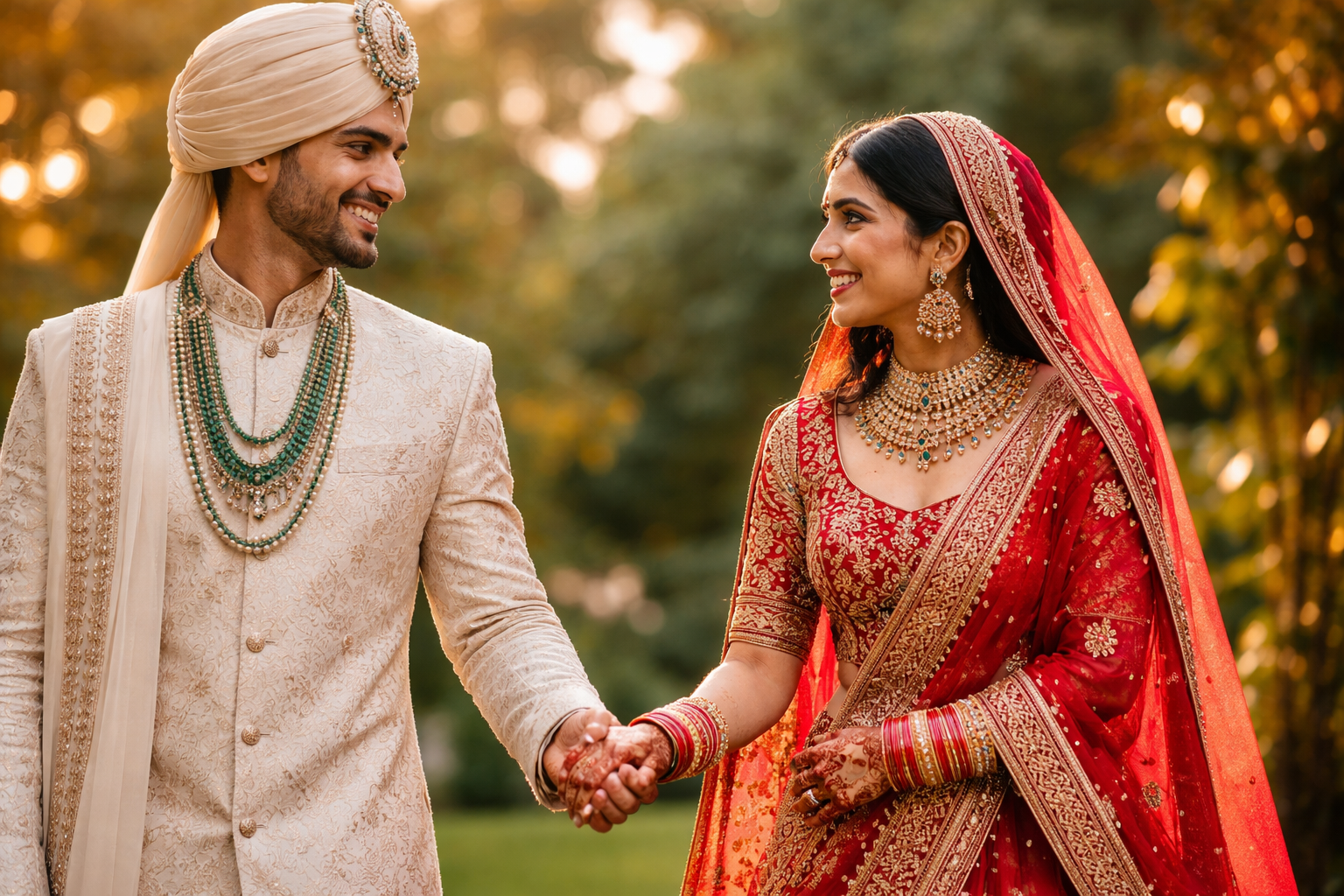
One of the most significant life decisions is getting married. In India, a union encompasses not only two people but also families, customs, and values. The question of whether religion matters in marriage is one that still comes up in contemporary relationships. Religion frequently has a big influence on beliefs, lifestyle decisions, and long-term compatibility, even though love, trust, and understanding are crucial.
Even though people are more accepting in today's changing society, many still think that religion is important in marriage for shared values, emotional stability, and family harmony. This blog examines how compatibility and faith affect marital success and how couples can strike the correct balance.
Recognising Religion's Place in Marriage
Religion has influenced the formation and maintenance of marriages for many generations. Religion frequently offers a framework for married life, from daily routines and moral principles to rituals and ceremonies. This is the reason why a lot of families, particularly in a culturally diverse nation like India, think that religion matters when it comes to marriage.
Decisions about lifestyle, parenting, festivals, eating habits, and even how to resolve conflicts are influenced by religious beliefs. It is simpler to align expectations when both partners have similar beliefs. This explains why many people still believe that religion plays a fundamental role in marriage, but it does not imply that interfaith marriages cannot succeed.
Why Religion Still Matters in Modern Marriages
People now have more freedom to select their life partners thanks to globalisation and online matchmaking. Surveys and actual experiences, however, demonstrate that religion still plays a role in marriage today. When their fundamental beliefs coincide, many couples experience emotional security.
Religion provides:
1. A common set of values
2. Emotional stability in difficult situations
3. A feeling of self and inclusion
4. Greater acceptance in families
The idea that religion matters in marriage still has an impact on choosing a spouse, even among educated and urban people.
Faith vs Compatibility – What Is More Important?
In contemporary relationships, this is the most prevalent argument. Compatibility is on one side and faith is on the other. So, does religion matter in marriage more than compatibility?
Included in compatibility are:
Emotional comprehension
Style of communication
Life objectives
Expectations for a career
respect for one another
Faith consists of:
Systems of belief
Cultural customs
Moral principles
Spiritual perspective
Both are necessary for a successful marriage. Long-term harmony is often defined by faith, whereas compatibility helps couples connect on a personal level. Many experts believe that religion matters in marriage, but it shouldn't take precedence over mutual understanding because of this balance.
Same-Religion Marriages: Benefits and Challenges
Many couples prefer same-religion marriages because they feel religion matter in marriage for long-term peace. Some advantages include:
1. Common customs and rituals
2. Acceptance within the family is easier
3. Comparable expectations for lifestyle
4. Reduced cultural disputes
However, same religion does not guarantee success. Differences in mindset, priorities, and communication can still create challenges. This shows that while religion matter in marriage, compatibility remains equally important.
Interfaith Marriages: Love Beyond Religious Differences
Interfaith marriages are becoming more common, especially in metropolitan cities. These couples prove that love and respect can overcome religious boundaries. Yet, even here, the question arises: does religion matter in marriage when beliefs differ?
Interfaith marriages succeed when:
1. Both partners respect each other’s faith
2. There is open communication
3. Families are involved positively
4. Decisions about children and traditions are discussed early
In such cases, religion matter in marriage not as a barrier, but as a topic that needs understanding and balance.
How Couples Can Balance Faith and Compatibility
To build a strong marriage, couples must find harmony between belief and compatibility. Since religion matter in marriage, it is important to discuss religious expectations early.
Here are some practical tips:
1. Talk openly about faith and traditions
2. Respect differences without judgment
3. Focus on shared values rather than differences
4. Avoid forcing beliefs on each other
When both partners feel heard and respected, the question of whether religion matter in marriage becomes less about conflict and more about mutual growth.
What Modern Indians Look for in a Life Partner
Today’s generation looks beyond just religion, yet many still believe religion matter in marriage when choosing a life partner. Modern Indians seek:
1. Emotional maturity
2. Career stability
3. Family values
4. Respect for beliefs
5. Long-term commitment
This blend of tradition and modern thinking proves that while priorities have evolved, religion matter in marriage continues to be a key consideration.
Choosing the Right Partner Without Compromising Core Values
Marriage is a lifelong commitment. Choosing the right partner means finding someone who aligns with your values, goals, and beliefs. For many, religion matter in marriage because it shapes daily life and future planning.
The key is not choosing between religion and compatibility, but choosing a partner who respects both. When values align naturally, relationships become stronger and more meaningful.